
When choosing materials for construction, furniture, landscaping, or architectural projects, the terms timber and wood are often used interchangeably. While they are closely related, they can have different meanings depending on the region, industry, and context. Understanding the difference between timber and wood can make it easier to select the right material for a particular project.
What Is Wood?
Wood is the natural material that forms the trunks, branches, and roots of trees. It is a renewable natural resource composed primarily of cellulose, hemicellulose, and lignin.
Wood can be used in many forms, from raw logs and branches to processed boards, panels, furniture components, and decorative materials. Its characteristics vary considerably depending on the tree species, growing conditions, grain structure, moisture content, and processing method.
Different wood species offer different combinations of strength, durability, appearance, workability, and resistance to environmental conditions.
What Is Timber?
Timber generally refers to wood that has been prepared or processed for use in construction, manufacturing, and other practical applications. In many contexts, timber can describe sawn wood used as structural or architectural material.
Depending on the region, the term can also refer to standing trees or larger pieces of wood before they are processed. In the construction industry, however, timber commonly means a usable wood product prepared for building and design purposes.
Timber can be cut into beams, boards, planks, posts, and other dimensions depending on its intended application.
Timber vs Wood: The Main Difference
The simplest way to understand the distinction is that wood is the natural material, while timber commonly refers to wood prepared for practical or construction use.
However, terminology varies between countries and industries. In some regions, “timber” and “wood” may describe essentially the same material.
FeatureWoodTimberMeaningNatural material from treesWood prepared or selected for practical useFormCan be raw or processedUsually processed into usable dimensionsApplicationsBroad range of natural and manufactured usesConstruction, architecture, furniture, and exterior projectsProcessingMay be unprocessed or refinedCommonly sawn, dried, graded, or treatedSelectionBased on species and propertiesOften based on grade, dimensions, strength, and application
Common Types of Timber
Timber can come from many different tree species, each offering distinctive characteristics.
Softwood Timber
Softwoods commonly come from trees such as pine, spruce, fir, and cedar. They are often lightweight and relatively easy to cut and work with.
Softwood timber is frequently used for structural framing, cladding, fencing, decking, roofing components, and other construction applications.
Hardwood Timber
Hardwood timber comes from species such as oak, ash, maple, and walnut. Many hardwoods are valued for their strength, durability, grain patterns, and appearance.
They are commonly used for flooring, furniture, cabinetry, architectural features, and high-quality interior applications.
How Timber Is Processed
The journey from tree to usable timber involves several stages. Trees are harvested and converted into logs before being sawn into boards, planks, beams, or other shapes.
Depending on the intended use, timber may then be dried to reduce moisture content. It can also be graded according to strength, appearance, or structural characteristics.
Additional treatments may be applied to improve resistance to moisture, insects, decay, or other environmental factors.
The processing method has a significant effect on the final performance and appearance of the material.
Where Is Timber Used?
Timber has a wide range of applications across construction and design.
Construction
Timber can be used for structural framing, roof structures, beams, posts, flooring, doors, and other building components.
Exterior Architecture
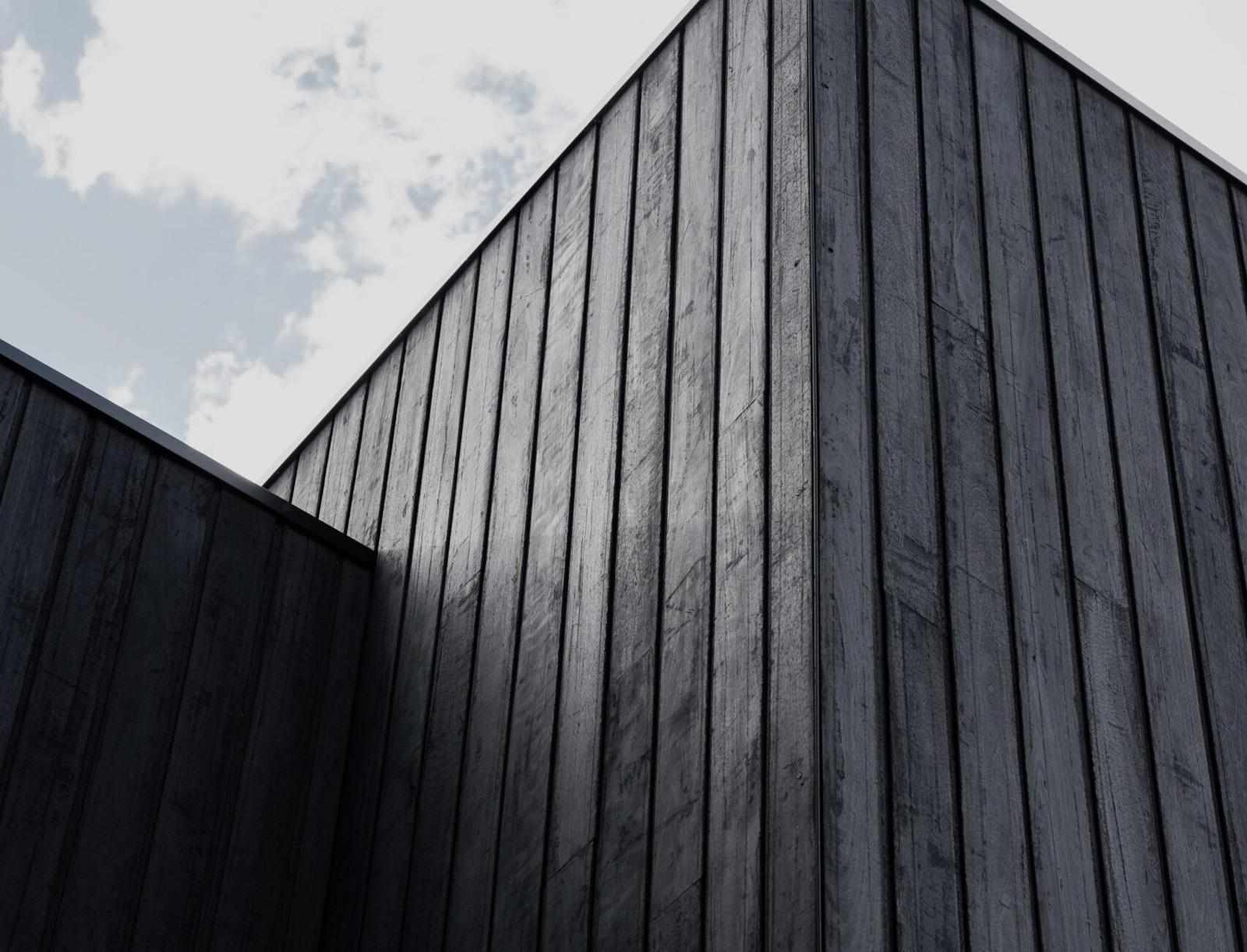
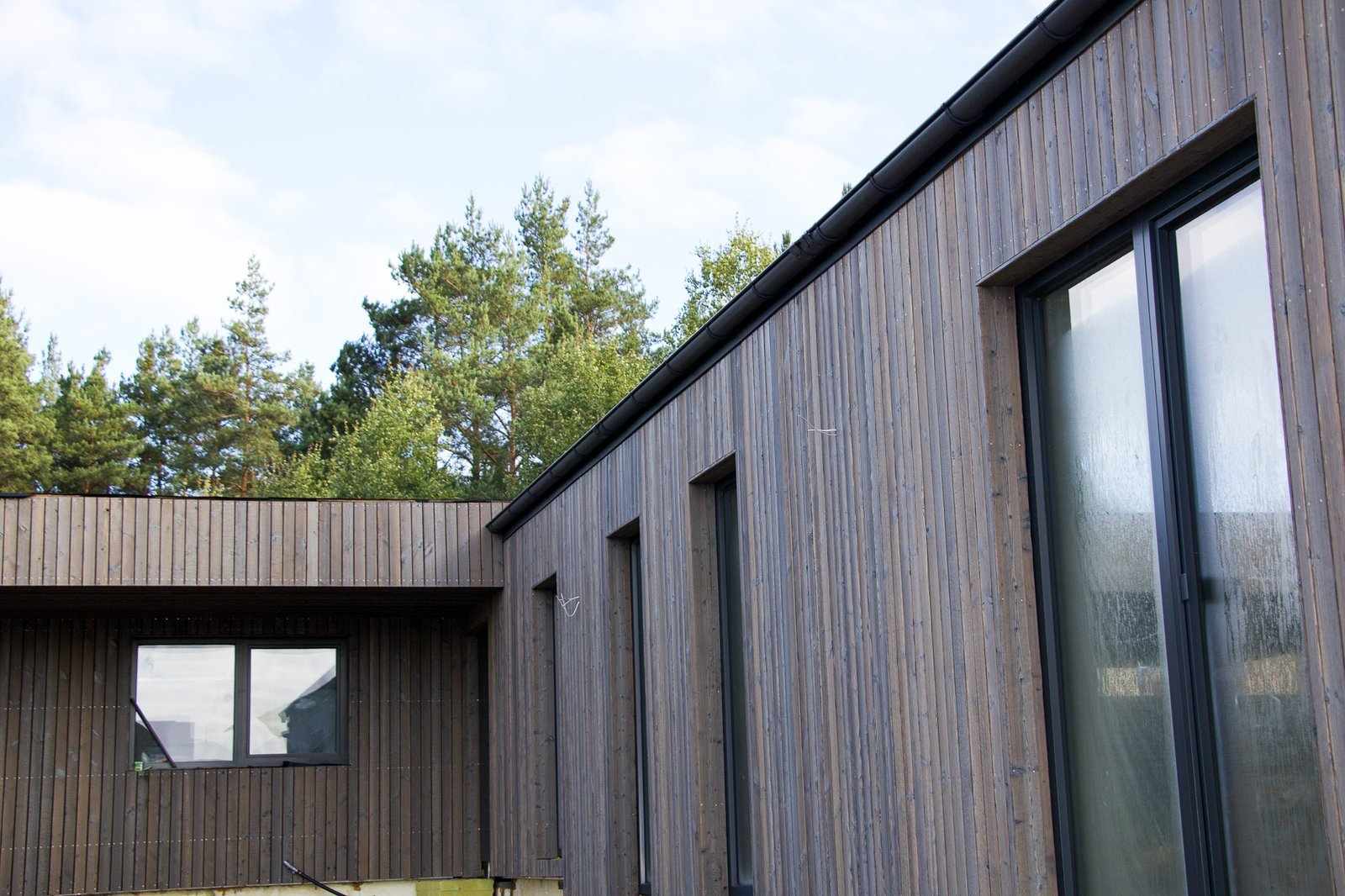
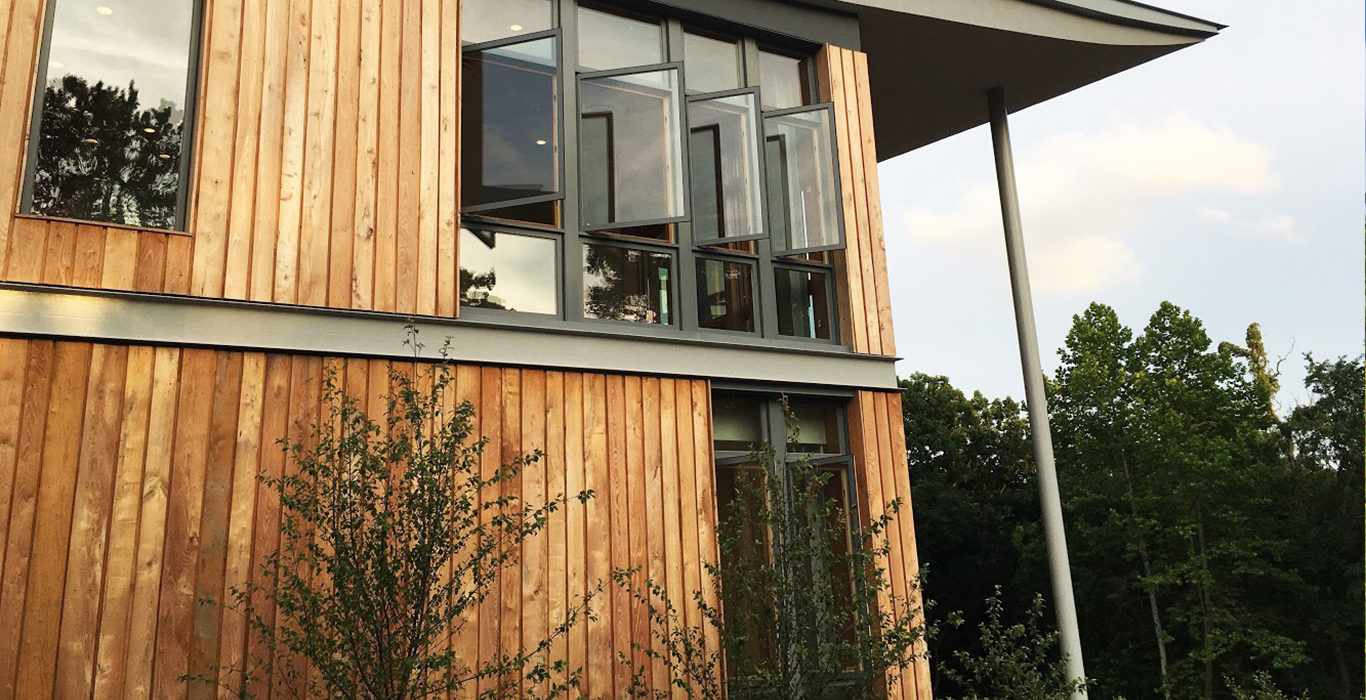
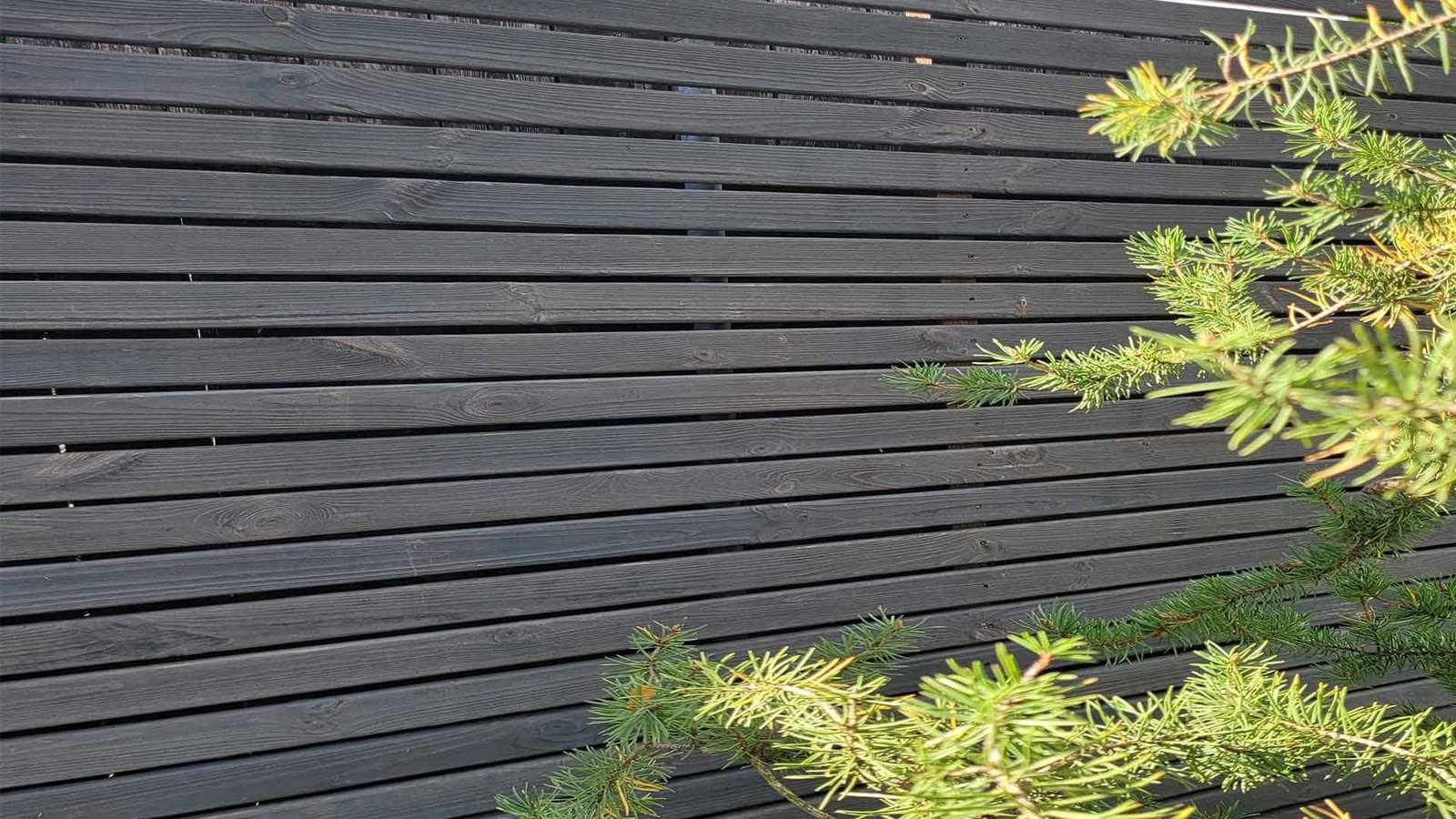
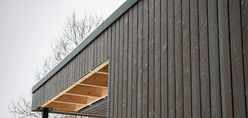
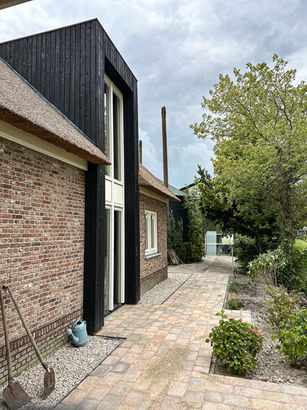
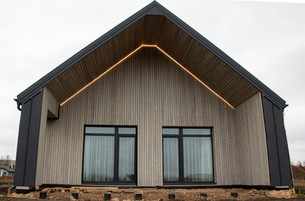
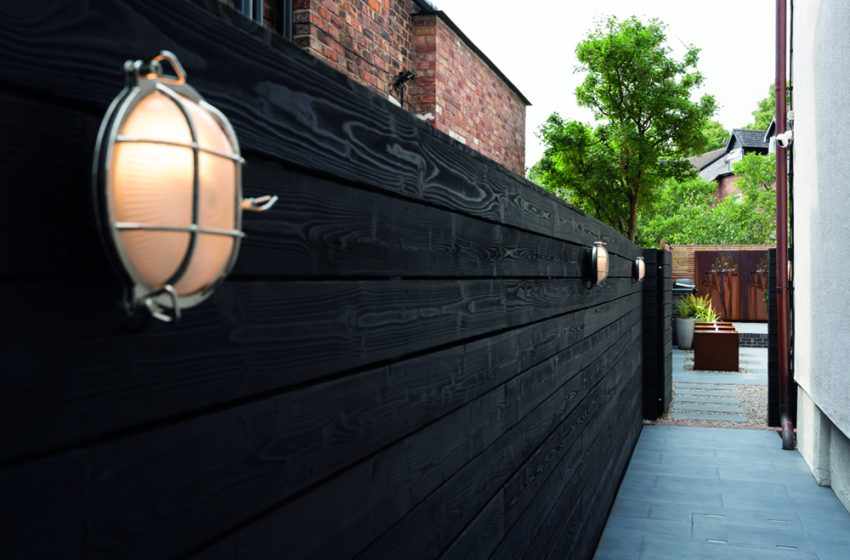
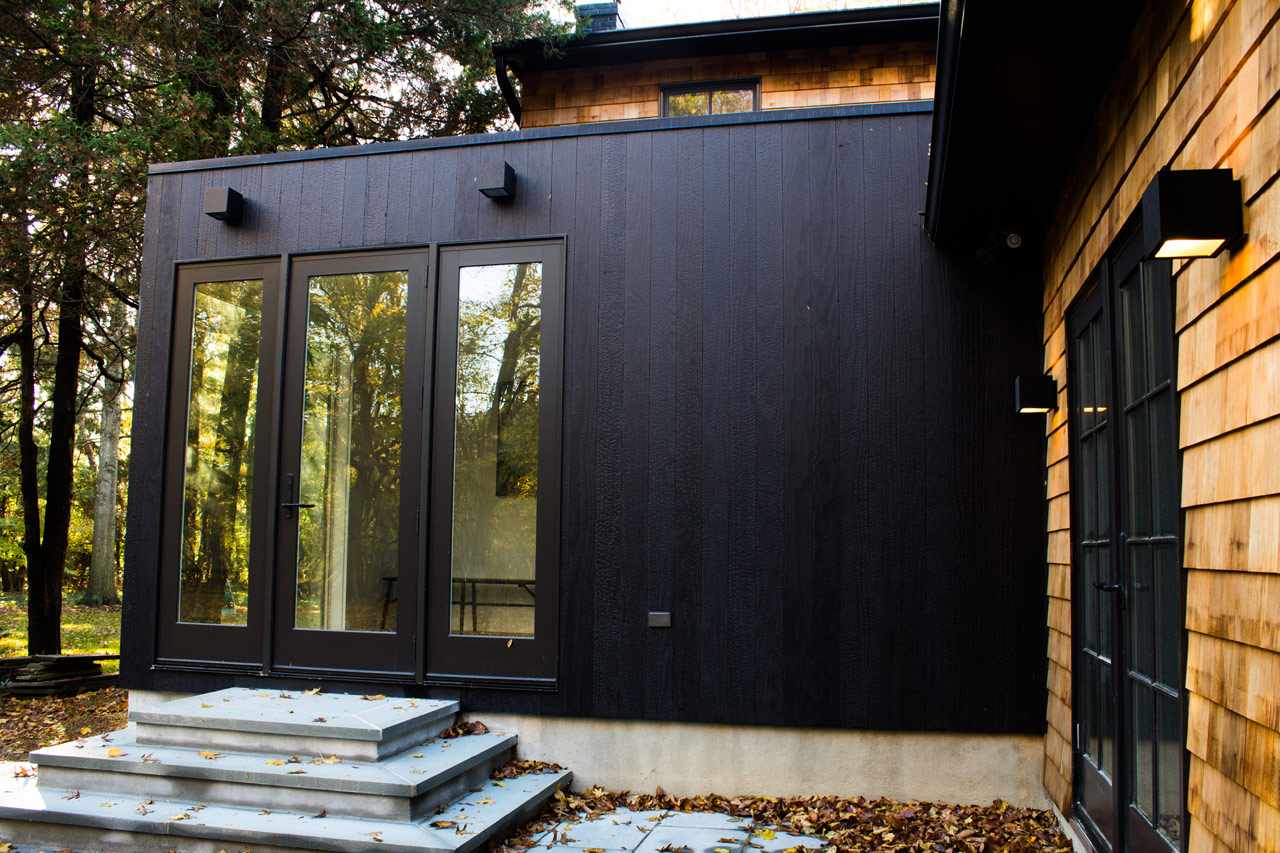
Wood-based materials are also popular for exterior walls, cladding, fencing, decking, and landscaping. For outdoor applications, species selection and appropriate treatment are important because materials are exposed to moisture, sunlight, temperature changes, and other environmental conditions.
Furniture and Interior Design
Timber is widely used for furniture, cabinetry, flooring, wall features, ceilings, and decorative elements. Its natural grain can add warmth and character to interior spaces.
What Factors Should Be Considered When Choosing Timber?
Choosing the right timber requires more than simply selecting an attractive species. Several factors should be considered.
Durability: Outdoor applications may require timber with appropriate resistance to moisture, decay, and environmental exposure.
Strength: Structural applications require materials that meet the relevant strength and grading requirements.
Moisture: Moisture content can affect stability, performance, and dimensional movement.
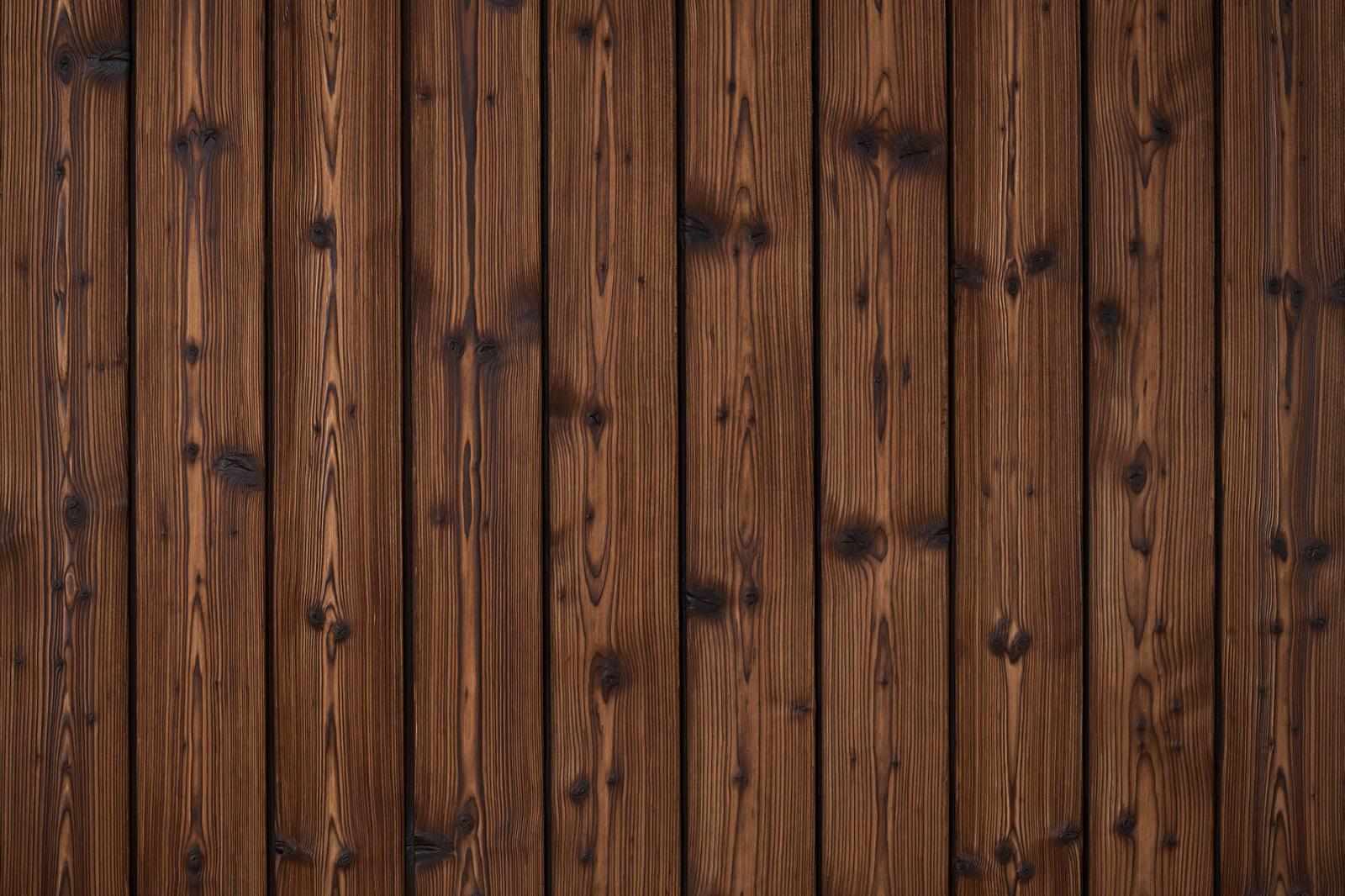
Appearance: Grain, colour, knots, and surface texture can influence the visual result.
Maintenance: Some timber products require regular finishing, cleaning, or maintenance to preserve their appearance and performance.
Application: Interior, exterior, structural, and decorative projects can require very different material specifications.
Timber and Modern Exterior Design
Timber continues to be used in contemporary architecture because of its natural appearance and versatility. Modern processing techniques can further expand the range of visual and functional possibilities.
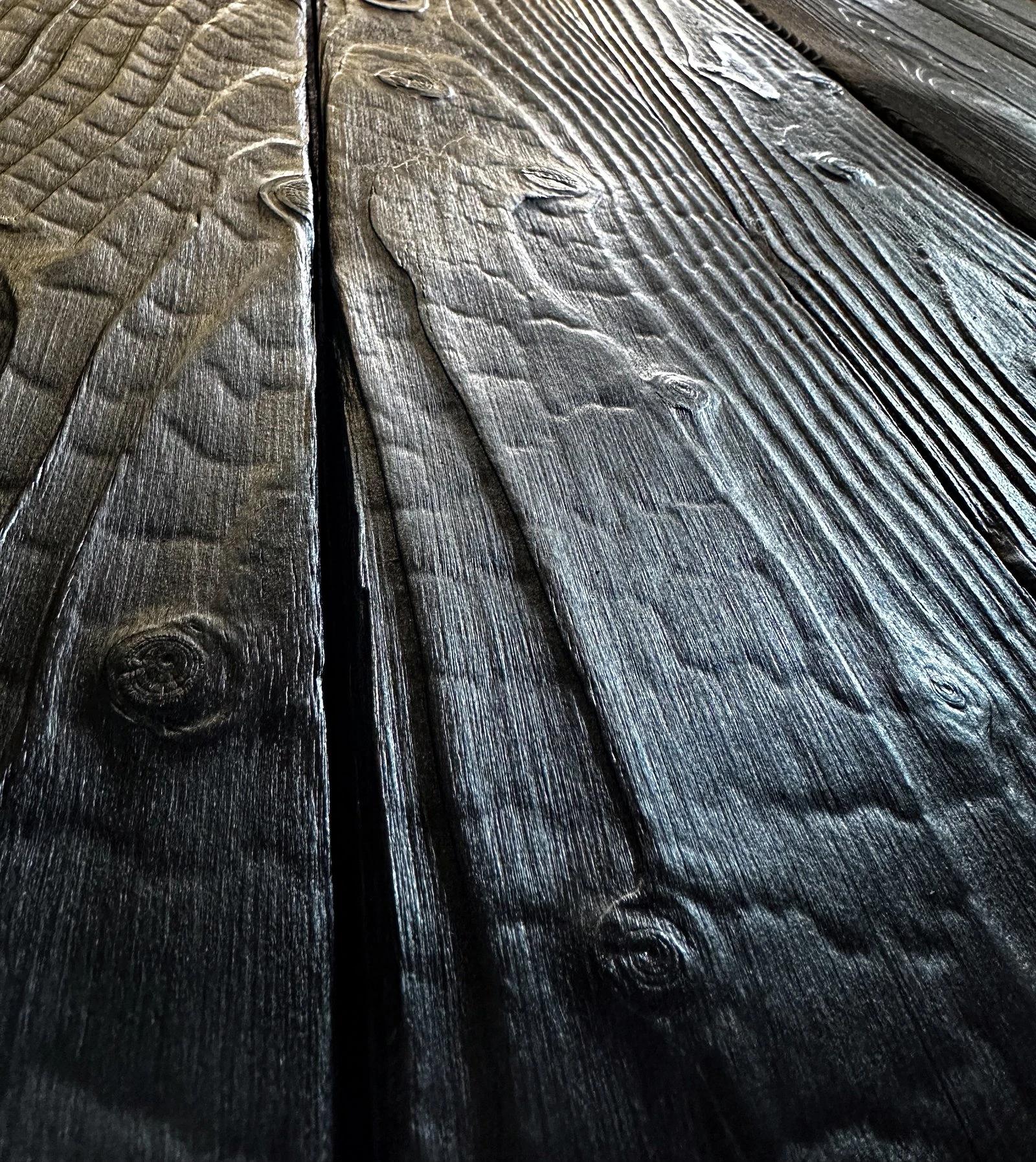
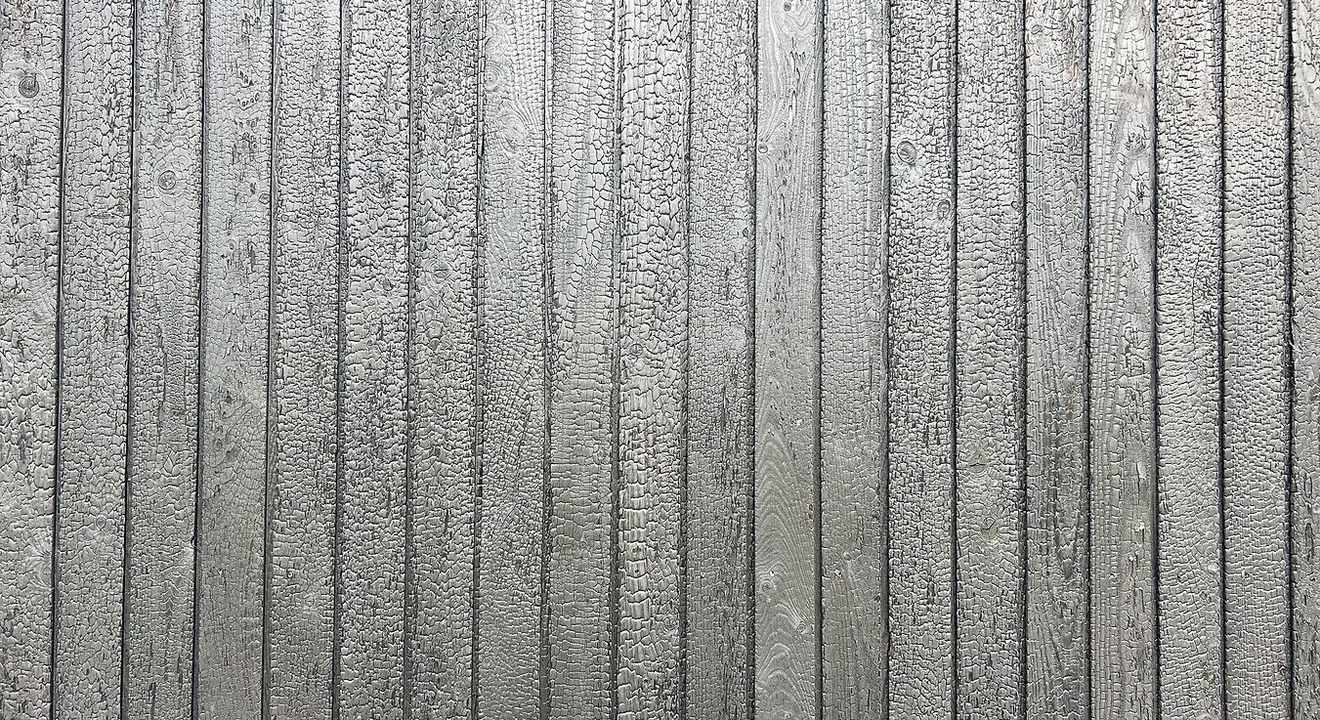
For exterior projects, timber can be finished, treated, textured, or modified according to the desired appearance and environmental requirements. This makes it possible to combine natural character with contemporary architectural styles.
Inflamed is associated with timber and wood solutions for architectural and exterior applications, where material character and design can play an important role.
Is Timber Better Than Wood?
There is no simple answer because timber is itself a form of wood. The better material depends on the intended application, available species, required performance, budget, appearance, and environmental conditions.
For a construction project, graded and properly prepared timber may be more appropriate than untreated or raw wood. For decorative or creative applications, different forms of wood may offer greater flexibility.
Rather than asking which material is universally better, it is more useful to determine which wood product meets the project's specific requirements.
Timber vs Wood: Making the Right Choice
Understanding the terminology is a useful first step when researching wood-based building materials. Wood describes the natural material obtained from trees, while timber commonly refers to wood that has been prepared for construction, architectural, or manufacturing purposes.
Both terms cover a wide range of species, grades, dimensions, and applications. The most suitable option depends on factors such as strength, durability, moisture exposure, appearance, maintenance requirements, and intended use.
By considering these factors carefully, homeowners, designers, builders, and architects can select wood-based materials that are better suited to their project's practical and visual requirements. Get in touch with us to learn more about timber vs wood!




Write a comment ...